

Ambrook's Blueprint for Design-First Company Building
Jeff Anders, co-founder and head of design at Ambrook, on bringing design fluency to agriculture and beyond—and why overlooked industries offer big opportunities for designer founders.

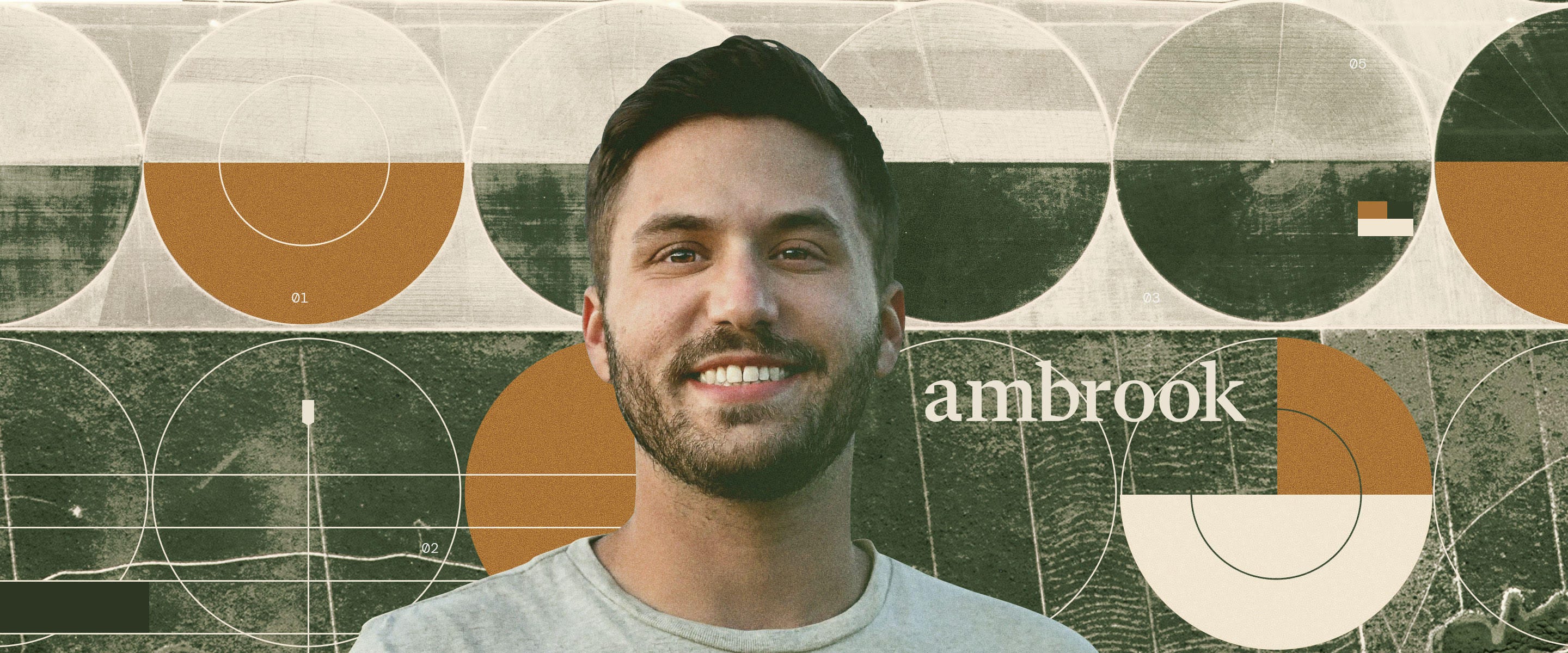
When it comes to product and brand, most early founders set the bar at “good enough.” This allows for speed and iteration as you figure out who you are and what you’ll build. Occasionally, we meet a team that sets a really high bar in one of those areas, believing that excellence there will be critical to their winning early on. And then, rarely, we meet a founding team that does it in both from day one. It’s a big bet but if you have conviction early, it can pay off. This is the story of one such company.
Before starting Ambrook in 2020, Jeff Anders and his co-founders Mackenzie Burnett and Dan Schlosser had already been building together for nearly a decade. They first met through the student incubator they ran at the University of Maryland and the collegiate hackathon scene. “It was always a known thing,” Jeff says, “that when the stars aligned, we’d start something meaningful together.”
That chance came in San Francisco. Mackenzie had sold her first company and returned to Stanford to study climate security; Jeff was leading design at Scale AI. Living through California’s droughts and wildfires pushed them to consider questions of natural resource management. Instead of jumping into solutions, they spent nine months listening—conducting hundreds of interviews with farmers, ranchers, and water board managers.
What they learned was that the biggest barriers to climate resilience were financial. Farmers needed better tools to track investments, measure on-farm practices, and manage increasingly complex operations. With payments experience from stints at Venmo and Facebook Marketplace, the team realized they were well equipped to tackle the problem.
Their mission is reflected in the company’s name: Am- (Latin for love) and -brook (a stream of water). Through Ambrook, they’d build modern tools and systems to strengthen the financial backbone of family-run businesses.
Today, Ambrook is building the financial infrastructure for American industry—starting with agriculture and expanding into adjacent, resource-intensive sectors. More than 3,000 operations across all 50 states use it to manage accounting, banking, invoicing, and spending, replacing paperwork and legacy systems with modern tools. The team recently raised a $26.1M Series A to help more family-run businesses grow their operations and make better financial decisions.
As co-founder and head of design, Jeff has helped shape a culture where design informs every detail, from field-ready interfaces farmers rely on every day to storytelling that treats the agricultural ecosystem with respect and depth.
I spoke with Jeff about building a company where everyone thinks like a designer, finding competitive advantage in underserved industries, and what it takes to build trust with rural communities.
Are you a designer building something new, or know someone who is?
We’re always looking for more designer founders to feature, invest in, or partner with.
Design in practice at Ambrook
For Ambrook, design functions as infrastructure: the layer that makes complex financial systems usable, trustworthy, and empowering for people who split their time between the field and back office. It’s also what helped the team, even in the early days, punch above their weight:
“Craft, quality, and brand are core to our mission of making finance accessible. Craft got us in the door and helped us build credibility as a fledgling startup in 2020.”
The design team has remained small but exceptionally strong. Jeff works alongside Ali Aas, who leads brand and creative; Calvin Ku, who works on product design; and frequent collaborators like graphic designer Adam Dixon.
Here’s a deeper look at how design shows up across the entire company:
Product design: Making complex tools usable in the field
Ambrook’s user experience starts with the reality of its customers. Most financial software is designed for someone at a desk with reliable WiFi. Farmers and ranchers live in a different world, as Jeff describes:
“I’m wearing gloves in the tractor trying to make a financial decision because my banker just called me in the middle of something I’m doing outside of the office. I need to be able to access my data, make decisions, maybe even process payments or initiate new business transactions.”
Centering the product in practical usability is paramount when you’re building tools that work for both the 70-year-old veteran farmer and the 22-year-old graduate ready to work on their multi-generational family farm.
This also shapes how the team introduces new technology. For many customers, Ambrook is the first time they encounter AI in their day-to-day work, starting with scanning receipts and bills, and soon expanding to uploading documents like deeds and water permits. To build trust, Ambrook deliberately puts users in control of the AI systems working behind the scenes for them:
“We do our best to scan things for you, but give you an extra confirmation step. Because even though we might be adding friction in places, we are showing you how the sausage is made. We’re showing you how we got to an answer.”
That small design decision can turn initial skepticism into confidence. As Jeff says, “We’ve seen so many folks who are initially hesitant about some of these newfangled things become really familiar with it and appreciative of the work and the design there.”
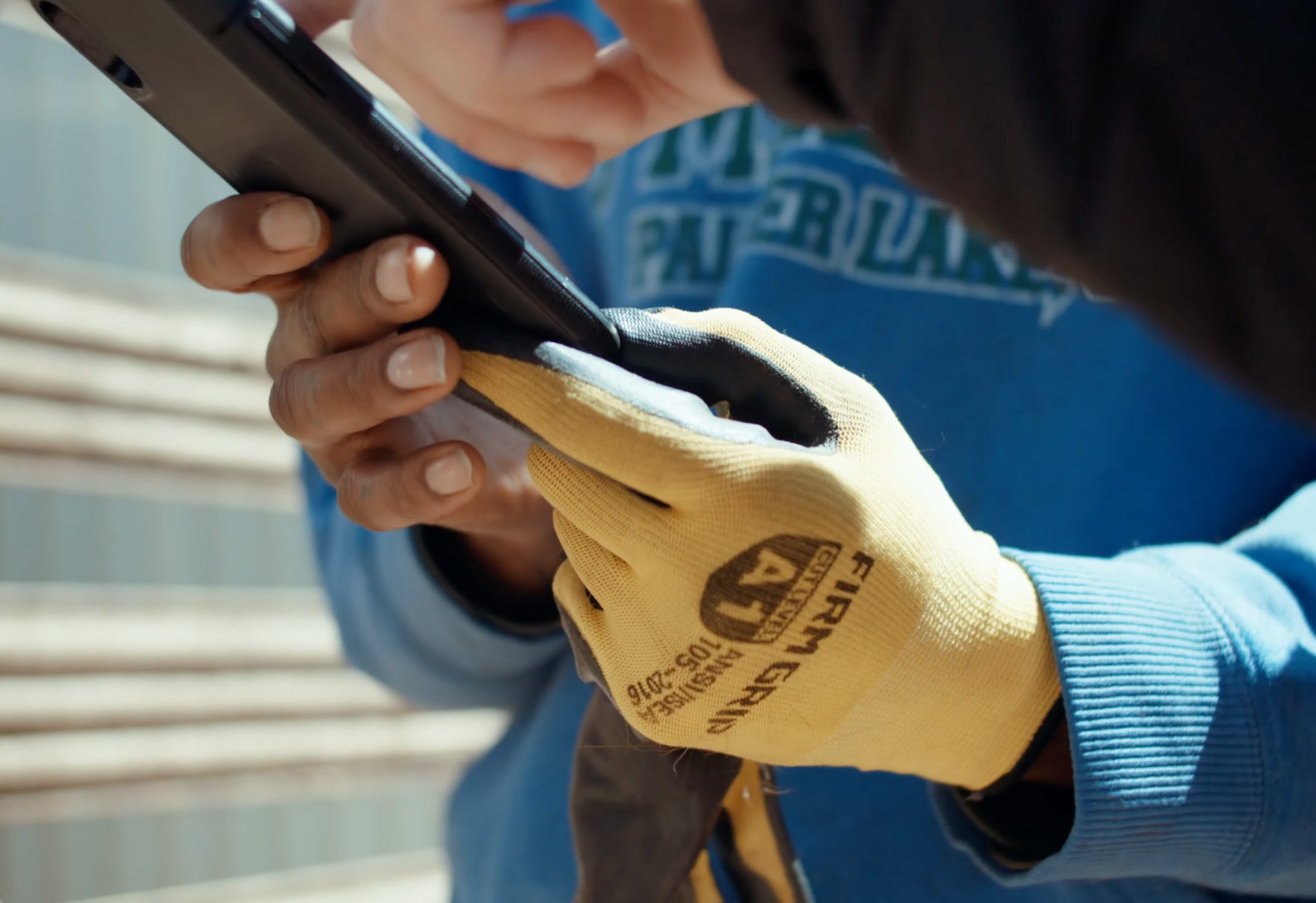
For a deeper look at Ambrook’s approach to design, read Calvin Ku’s reflections on lessons from farm visits, designing for spotty connectivity, and creating novel software for established agricultural practices.
Brand: Building authentic connection
Brand is treated the same as product design: with empathy for the people it serves. Rather than the high-gloss look we see in so much software, Ambrook’s visual identity feels warm and grounded, with its earthy colors and approachable typography.
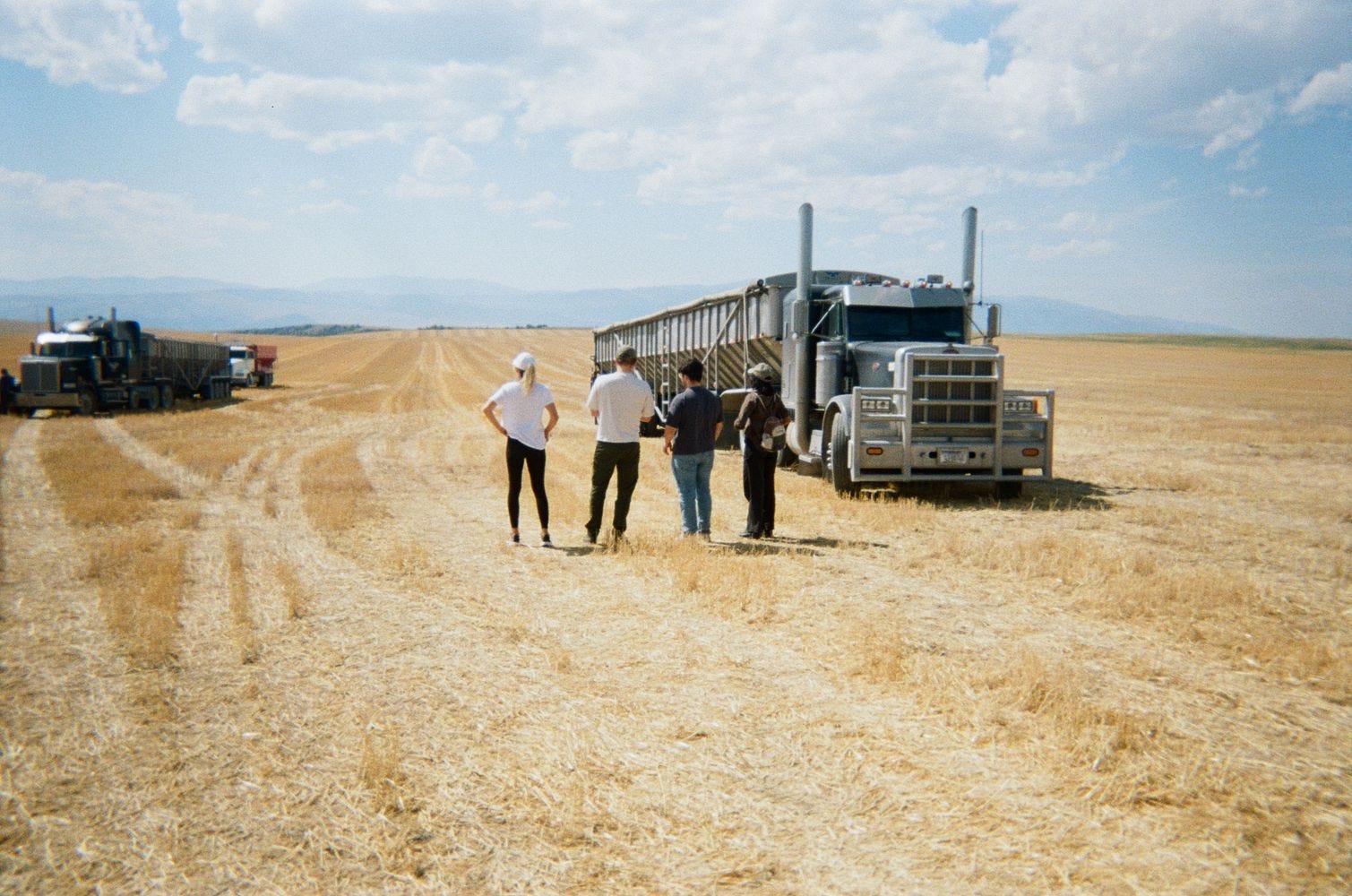
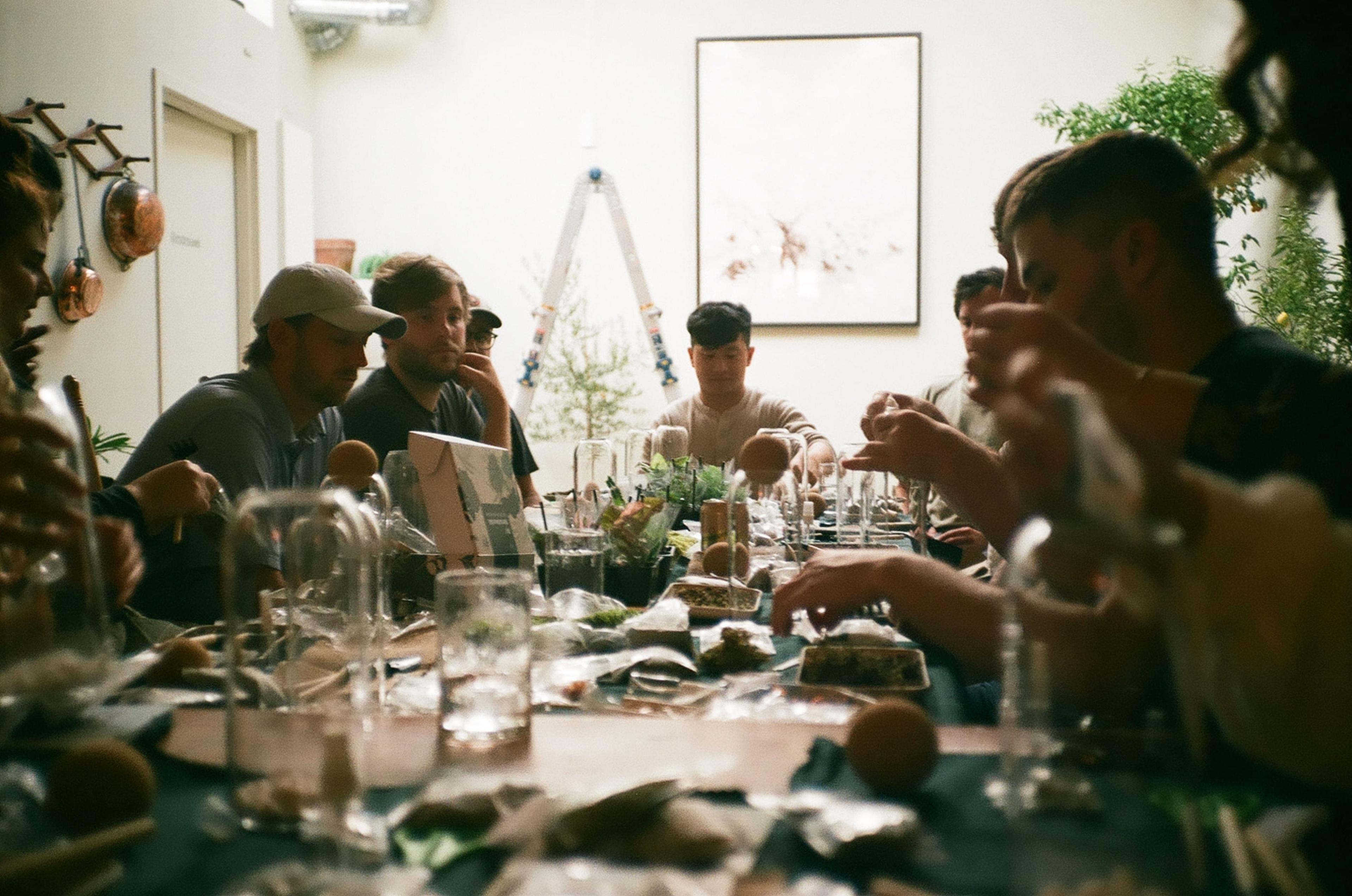
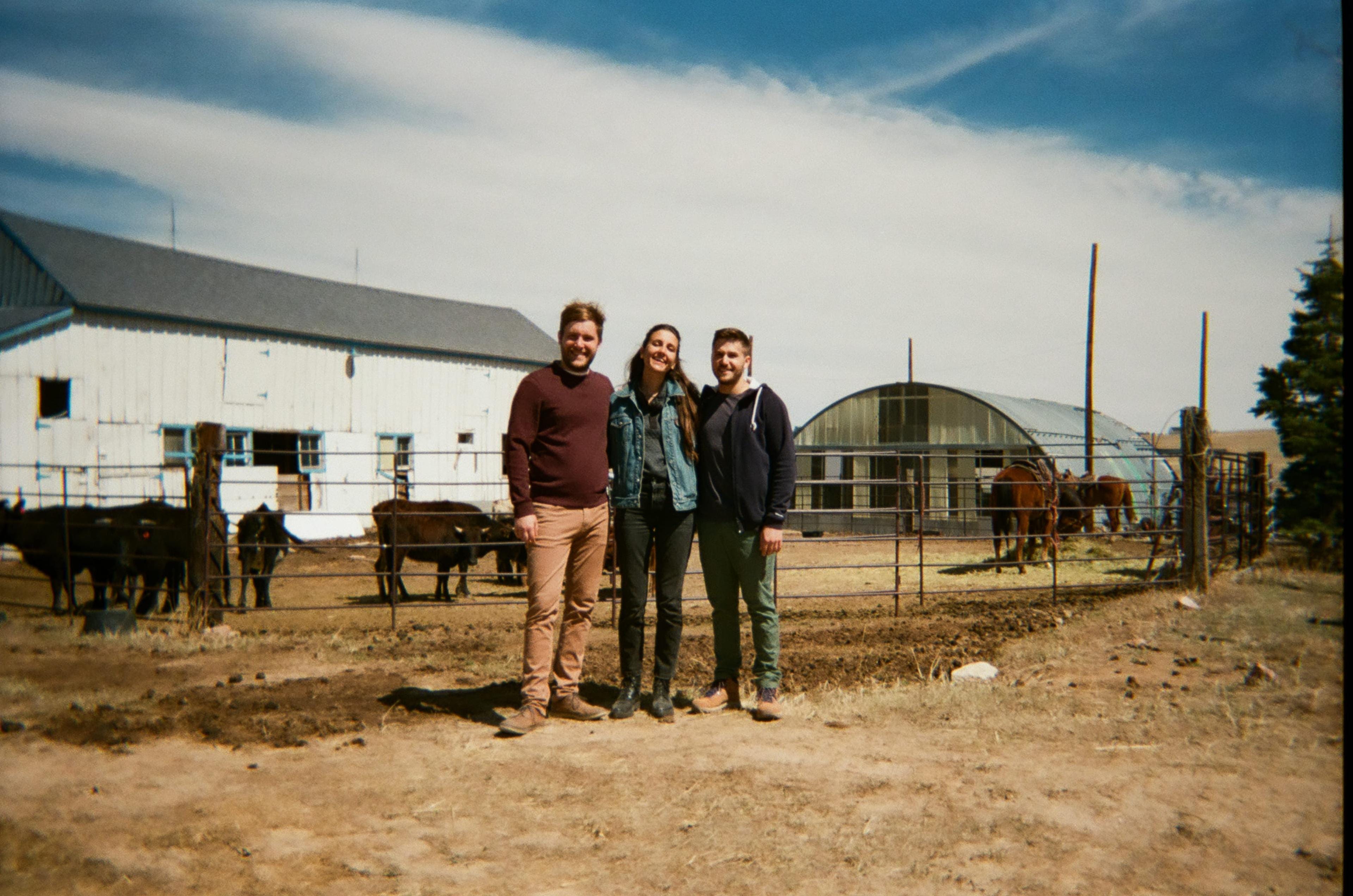
One of the team’s most distinctive choices is its use of film photography during site visits. The constraint of film changes how they show up with customers:
“It limits the time with cameras out when we’re hanging out with customers on their farm. It creates a certain filmic look that we’ve all grown to love, and it makes photography accessible to any team member.”
The resulting images aren’t perfect but they are lived-in and real. They signal to customers: we’re here alongside you, not staging an ad shoot from afar.
Storytelling, culture, gathering
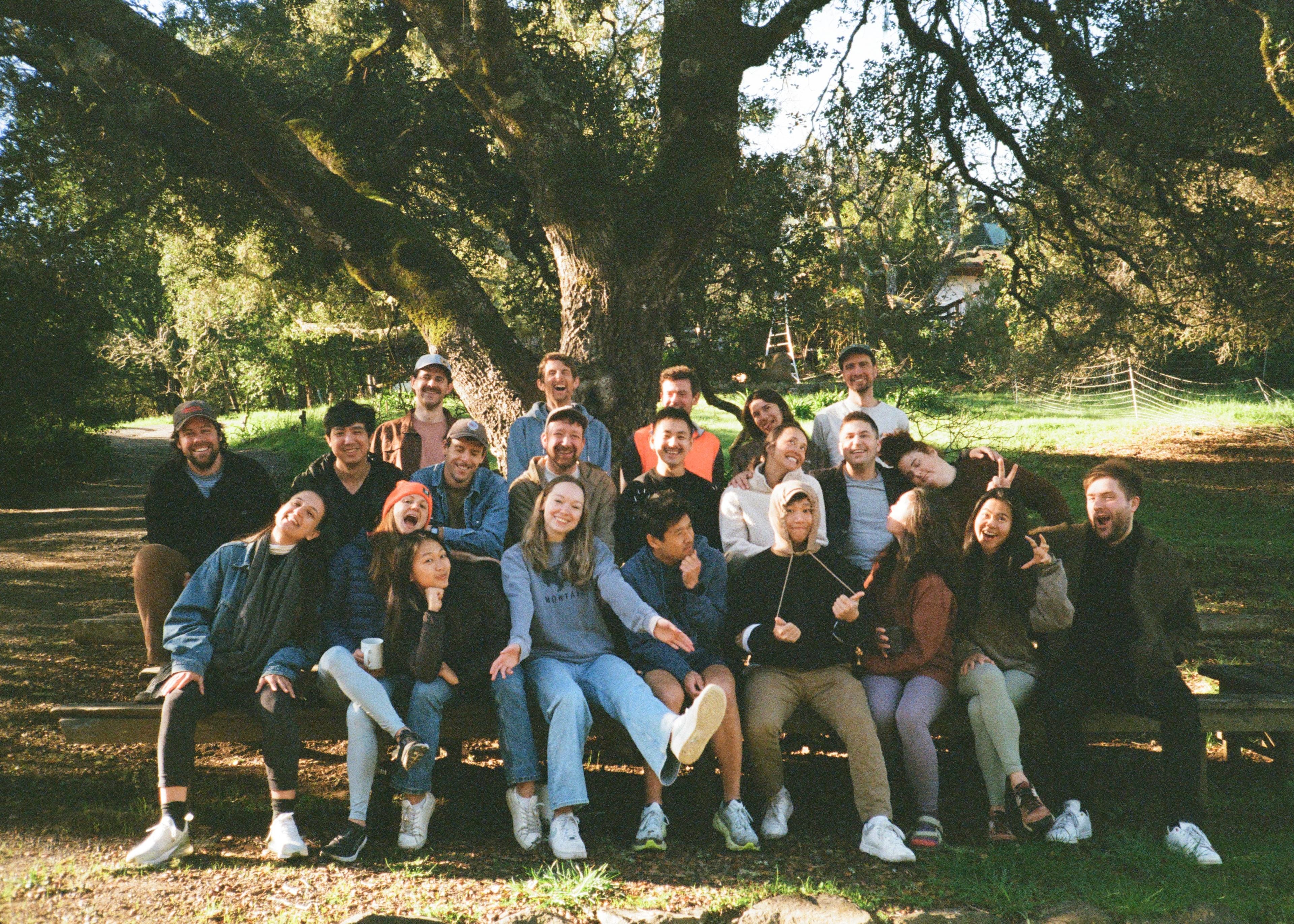
Within Ambrook, storytelling and culture are treated as extensions of design. Jeff and his co-founders are as deliberate about how the company recruits and collaborates as they are about how the product looks and works.
“Mackenzie and I have been talking a lot about how we’re designing our culture. It’s not just that you walk in, see a great logo, and you’re set for life. We’ve been rethinking our recruiting experience, and a big shift this year has been putting content out into the world through a blog the whole team contributes to.”
That sense of design shows up in their spaces too. Engineer Jaclyn Chan describes the New York office: “Plants trail from the windowsills. Candles sit tucked between books and mugs. We gathered around sweet Pakistani mangoes at the vintage wooden dining table we proudly sourced from Facebook Marketplace.”
Ambrook is a distributed team, with offices in New York, Denver, and San Francisco and teammates working remotely across the country. While hybrid by design, the team makes it a priority to come together—whether on ranches in Montana or at an ecological research center in Sonoma. These visits and retreats are a chance to learn from the places customers call home and connect with each other.
All of this groundwork fuels how Ambrook presents itself externally. The company launched Offrange, a deeply researched publication on modern agriculture that reads more like a cultural magazine than corporate content. Their Series A announcement appeared as a reflective letter, and they collaborated with Stripe on a short documentary—each example carrying the same editorial spirit rooted in the culture they’ve intentionally designed.
Jeff’s advice to designer founders
1. Don’t just solve your own problems
Jeff encourages looking beyond the often-given “solve your own problems” advice to consider where design can create outsized impact, particularly in industries undergoing significant transformation:
“I’m really drawn to these legacy spaces that desperately need change in order to help people prepare for macroeconomic shifts happening to their businesses—whether it’s farming or manufacturing, trucking or construction. They’re not doing things the way their parents did. And we need to help people adapt to that.”
Rather than competing in saturated markets where excellent design is the norm, Jeff advocates for strategic thinking about fit—not just product-market fit, but founder-market fit and founder-problem fit. He sees opportunity in industries where design insights can highlight patterns and complement the expertise of those already doing the work.
For Ambrook’s founders, their obsession with business and environmental resilience was the pull that kept them working through the complexity of building financial infrastructure for agriculture and beyond.
2. Your role as founder = design evangelist
As a designer founder, Jeff sees his role extending far beyond getting the design work done:
“My responsibilities have expanded into people ops, culture, events, content, recruiting—all these things beyond the pixels. The best designer founders care about things outside of design and bring that design competency to everything else.”
This means intentionally spreading design sensibility throughout the company. At Ambrook, salespeople make product pitches using Figma. Engineers advocate for user experience decisions. Jeff trusts the team to be good stewards of the product and brand because they’ve invested time in helping everyone understand design’s value.
“In 2010, we were talking about design getting a seat at the table. Design absolutely has a seat at the table now. The challenge is getting all the other people at the table to share a similar design sensibility.”
3. Don’t pre-compromise your vision
As a designer founder, you often have to juggle many different hats at once, managing the responsibilities of both building a company and building a design team.
One of Jeff’s biggest lessons has been learning not to pre-compromise. As the person responsible for design’s vision at Ambrook, it’s his job to dream bigger and advocate for those initiatives.
“I need to go to bat even more for the most ambitious version of the design team and what we can mean to the company and to our customers. Let’s start from a visionary design angle and then through working together compromise.”
Instead of jumping to thinking about timelines or budget, imagine what you could do starting from the most visionary angle.
4. Build community before you need it
Jeff emphasizes long-term relationship building. He and his co-founders had known each other for over a decade before starting Ambrook, connected through running hackathons and design communities in the early 2010s.
“There’s something magical about that scene. Everyone who was running hackathons or joining design communities is now founding something incredible.”
He continues investing in community, most recently organizing groups of founder dads navigating company-building and parenting simultaneously.
5. Take time to reflect
The relentlessness of startup life makes it easy to stay buried in execution. Jeff has learned the importance of stepping back:
“Coming up for air more often is something I wish I did more. Taking stock of what we’ve accomplished and who are the people around me who I need for the next stage of the company.”
Jeff takes particular pride in making complex financial tools intuitive and helping legacy industries adapt to change. For him, this work represents something larger than building better software—it’s about enabling family businesses to thrive through generational transitions and economic uncertainty.
Design is central to that work. It’s what allowed Ambrook to build credibility early on, serve customers with deep empathy, and raise the bar for how design influences product, brand, and culture across the company.
Ambrook is hiring across teams. They’re building a more prosperous future for America by giving independent, family-run businesses the financial tools they need to grow and thrive. If you’re excited about untangling the intersection of tech, finance, and sustainability, consider joining the team.
Where to find Jeff
Ambrook: https://ambrook.com
LinkedIn: https://www.linkedin.com/in/jeff-anders
Hero illustration by Adam Dixon.
